Before and After Architectural Photography Editing: Real World Examples
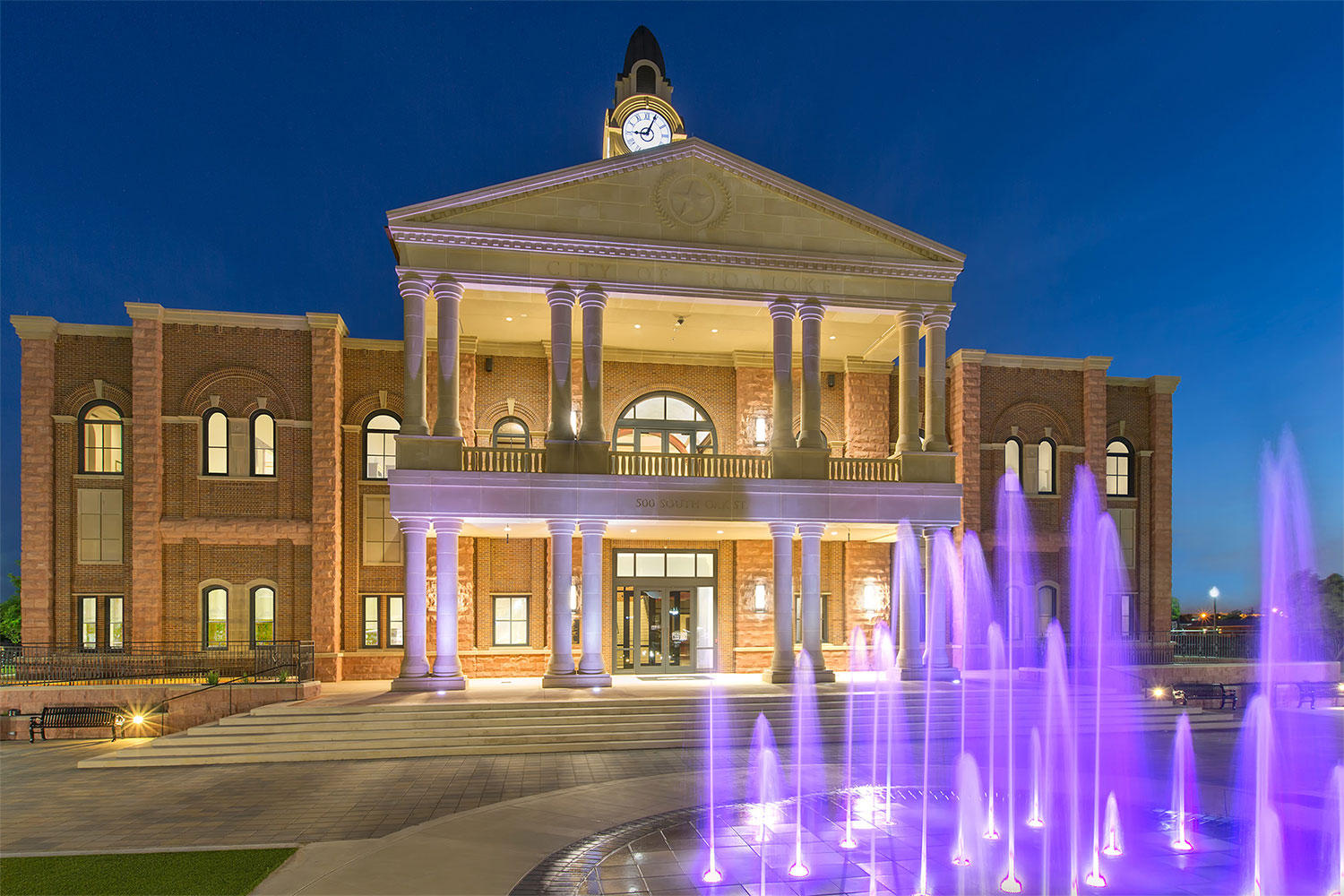
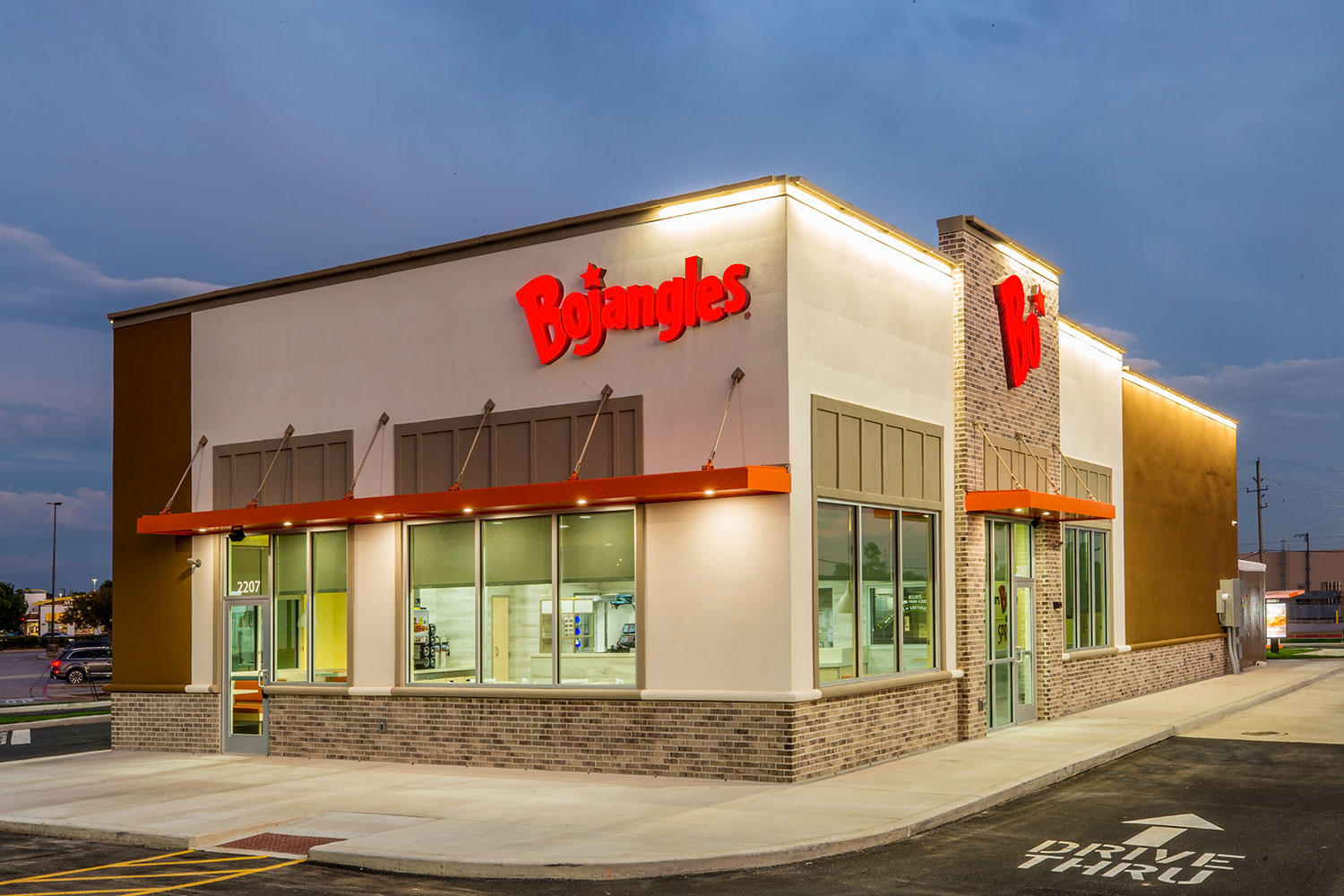
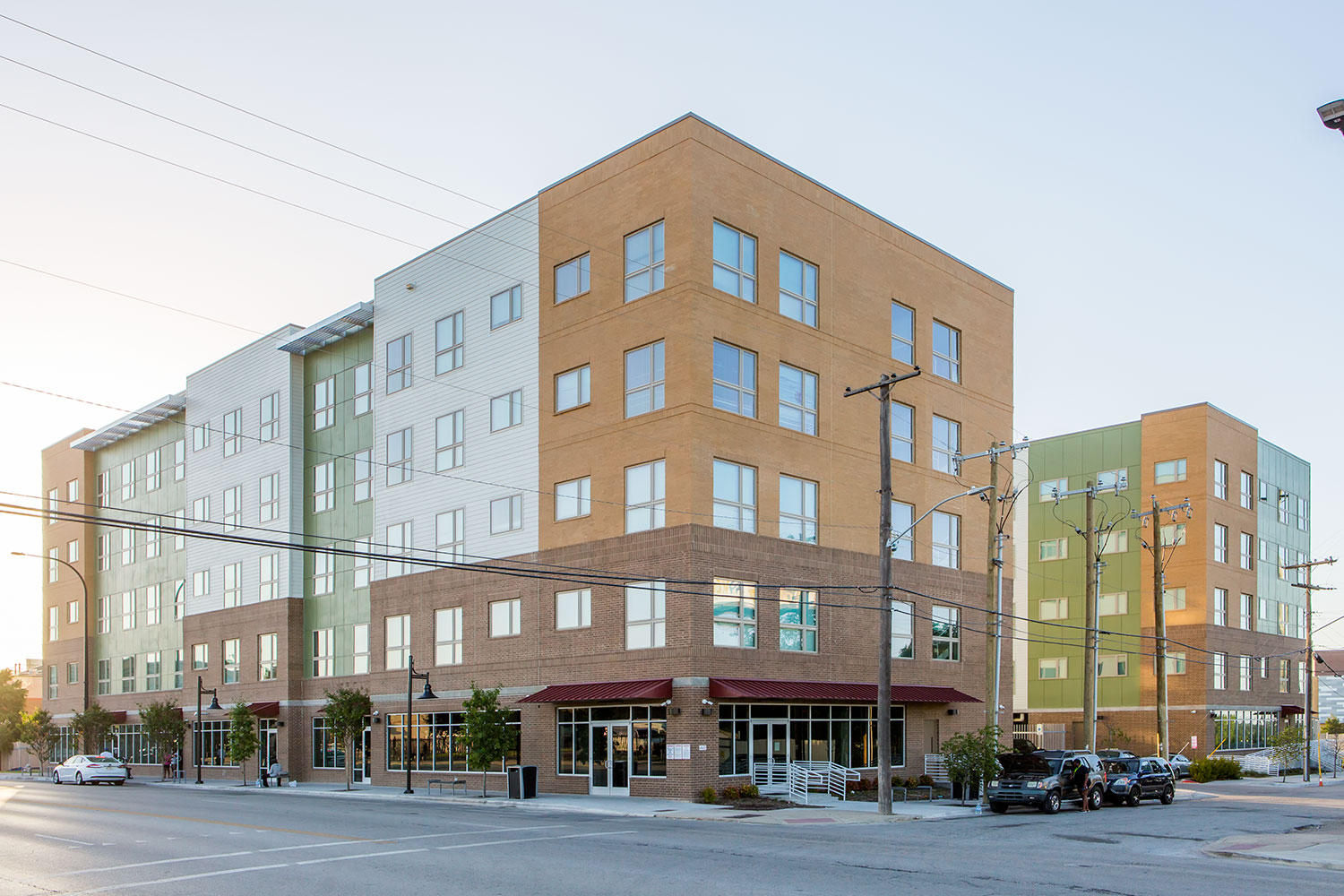
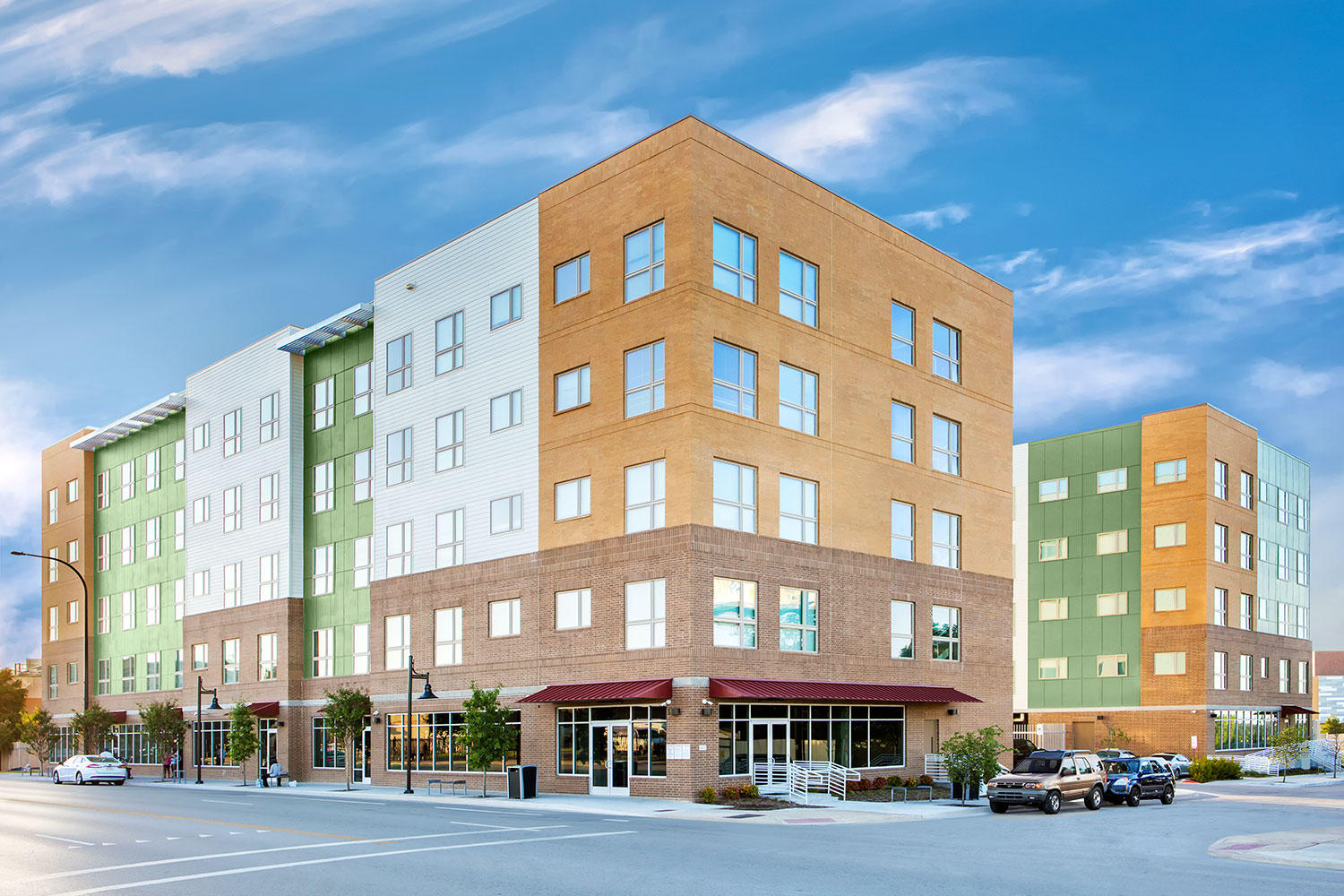
Professional architectural photography does not end when the shutter is released. The finished image is developed through careful post production that addresses lighting, color, reflections, distractions, surface conditions, and other details that can affect how a project is represented. These before and after examples show some of the ways I refine an image while preserving the architecture, materials, and design intent of the original photograph.
As you move each slider left and right, notice how relatively small or highly specific corrections can change the clarity and effectiveness of the finished photograph. This process is part of what I call Image Development: the deliberate refinement of a photograph so that the finished image communicates the project as clearly and accurately as possible.
Explore Image Development Examples
Every photograph presents different challenges. Select an example below to see how specific lighting, environmental, surface, and architectural distractions can be addressed through image development.
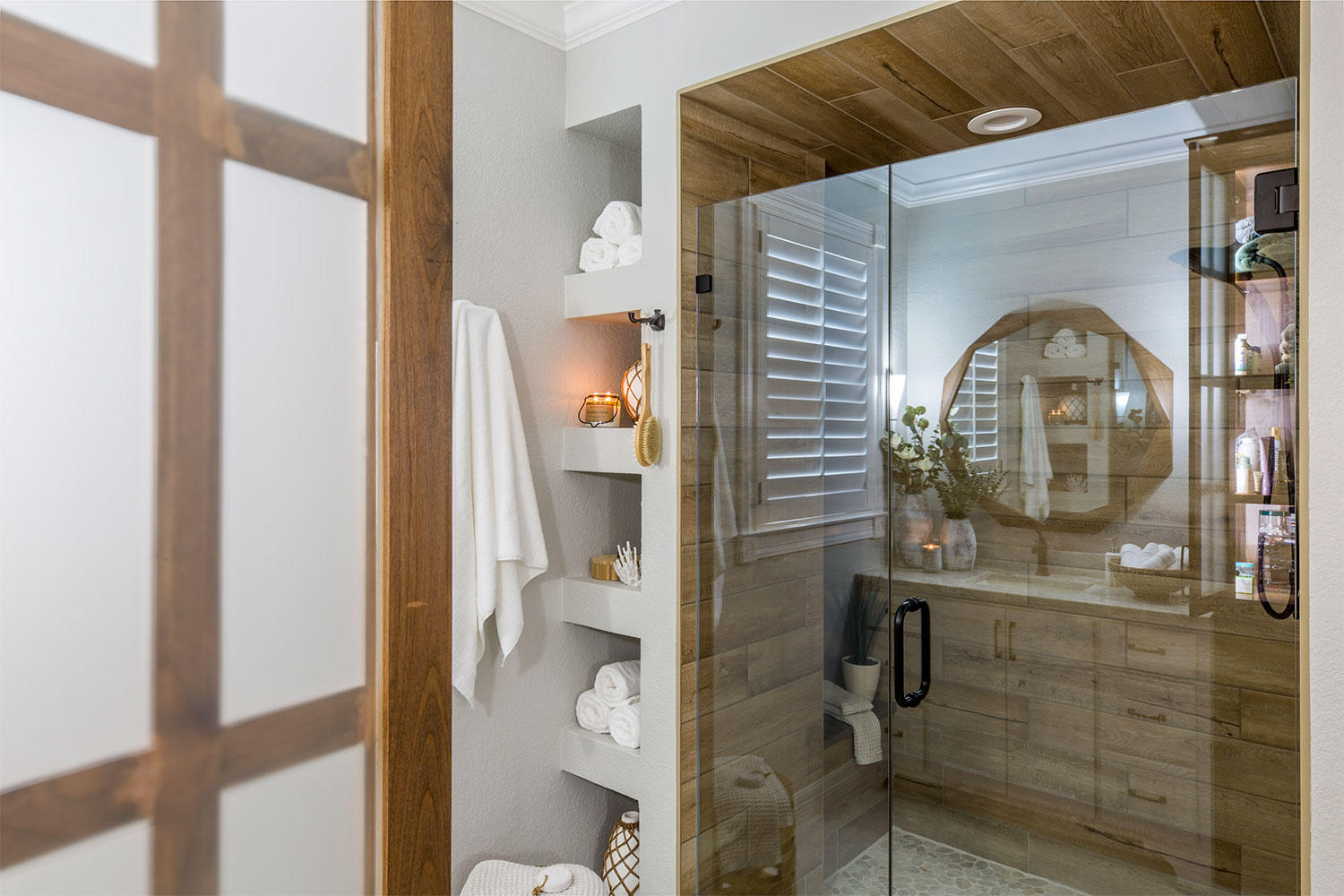
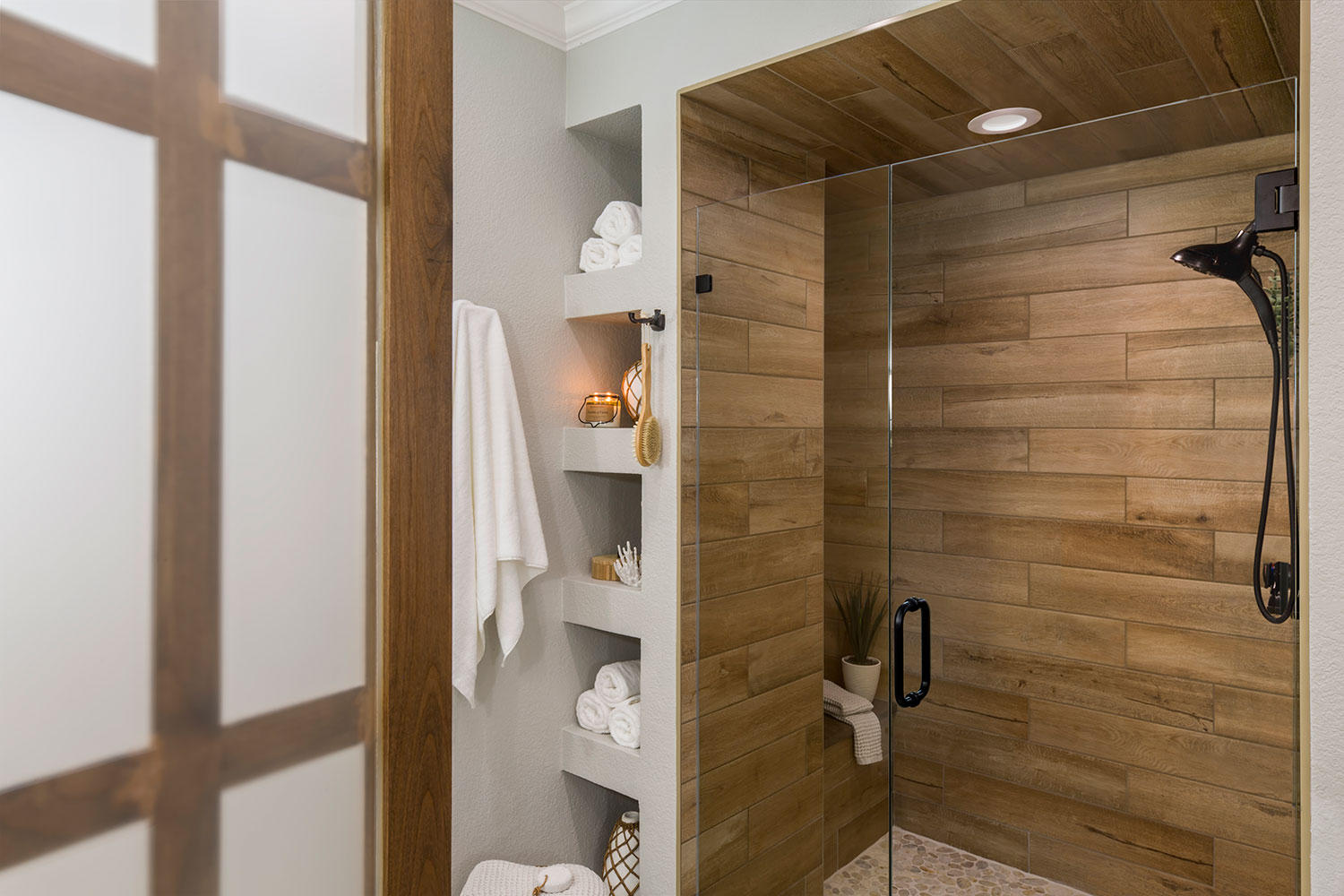
Glass Reflections and Interior Distractions
Glass can act like a mirror, reflecting furniture, windows, lighting, and exterior elements that distract from the intended interior design. Careful editing removes or reduces these distractions so attention remains on the architecture and the space itself. See this technique applied to other residential projects.
Back to Top
Lighting Correction and Exposure Enhancement
Lighting conditions are not always ideal when a project is photographed. Lights may be off or non-functioning, daylight may vary from room to room, and difficult exposure conditions can obscure architectural details. Image development corrects these issues while maintaining the intended atmosphere and character of the space.
Back to Top
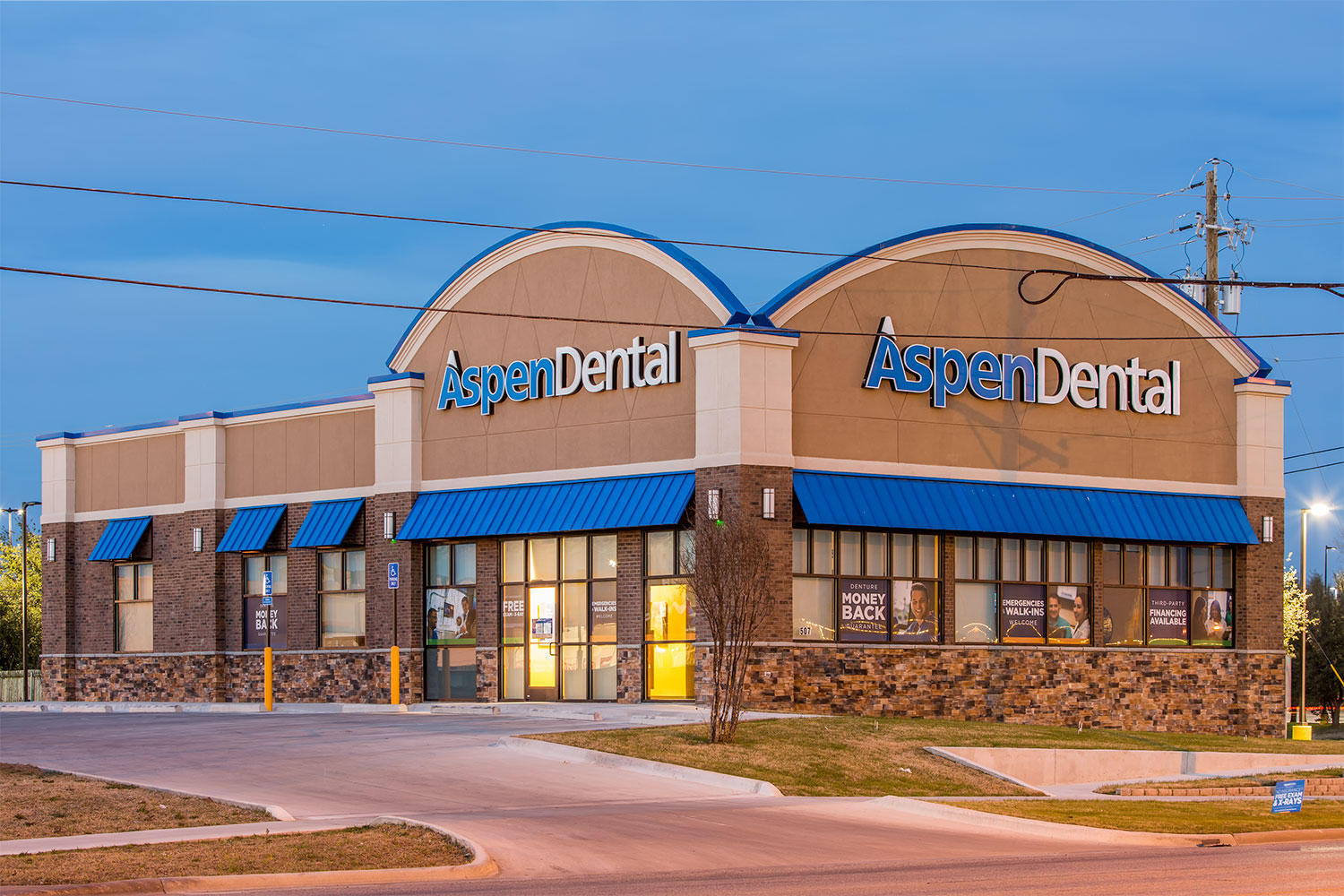
Power Lines and Utility Poles
Power lines and utility poles can distract from an otherwise pristine architectural photograph. Editing removes these obstructions so the building and its environment can be seen without unnecessary visual interruption. See more examples of edited commercial projects.
Back to Top
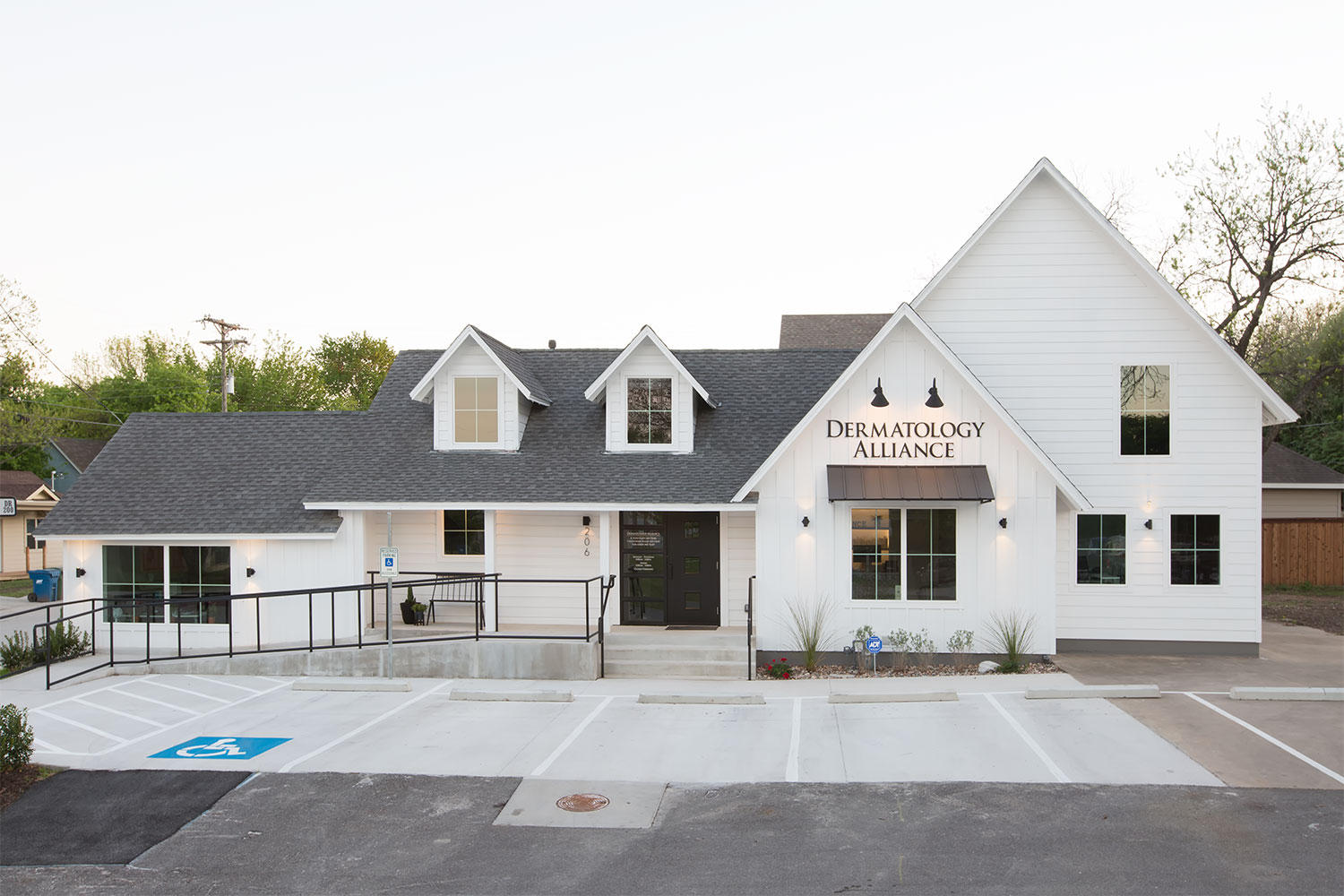
Parking Lots and Exterior Surfaces
Oil stains, water runoff, tire marks, debris, and mixed surfaces such as asphalt and concrete can distract from a building's presentation. Editing removes these imperfections to create a cleaner visual environment and keep attention on the architecture above.
Back to Top
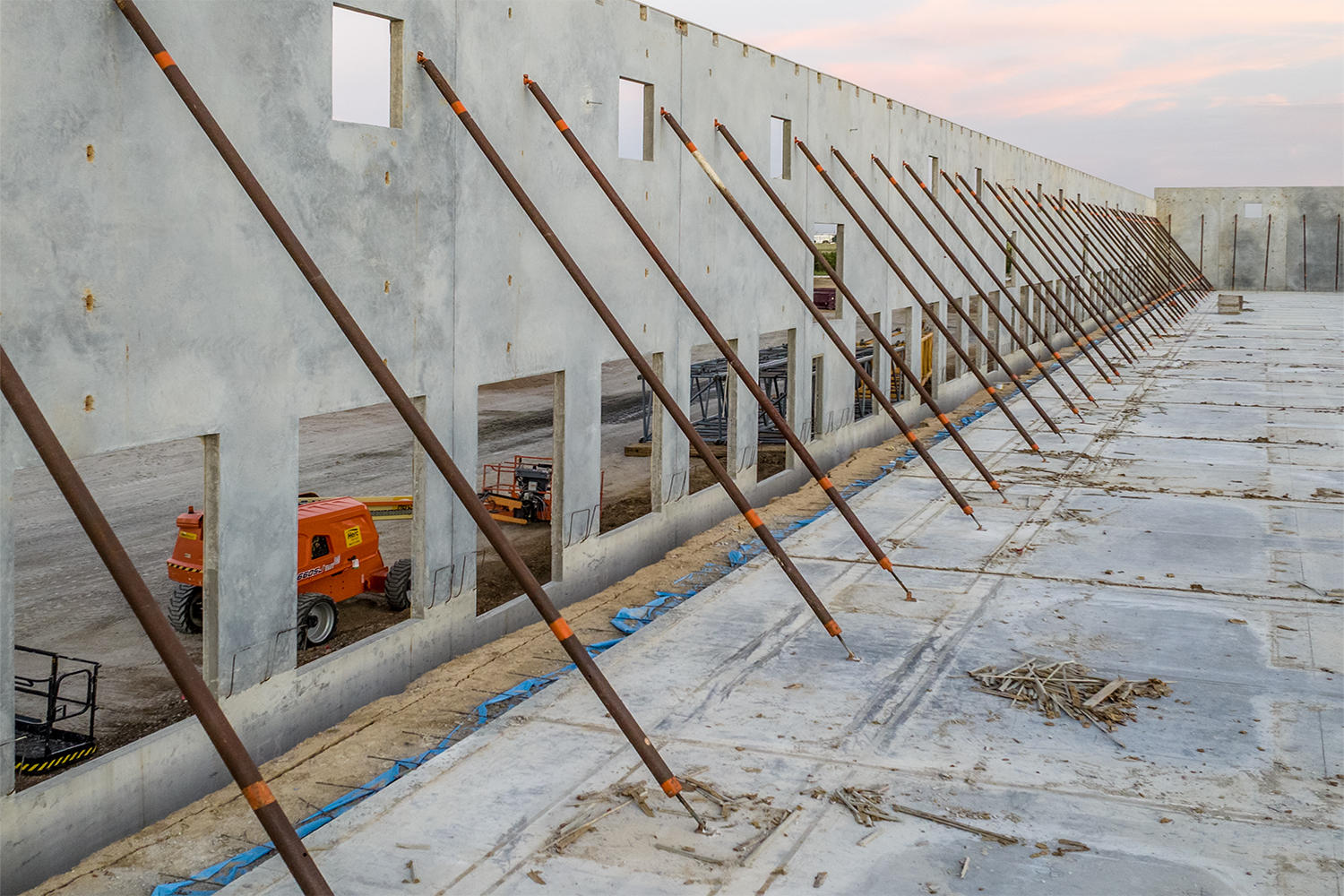
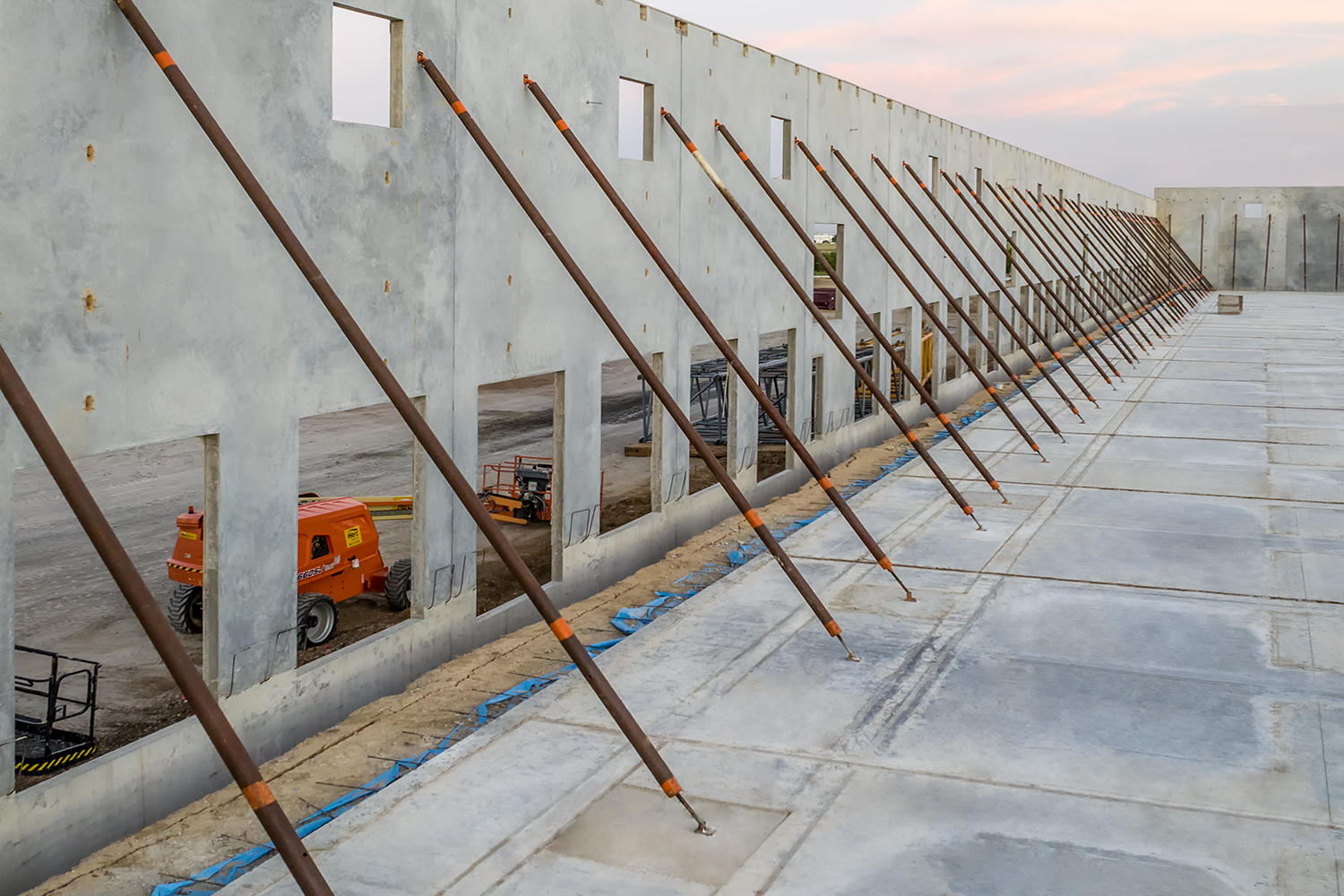
Construction Cleanup and Concrete Surface Correction
Construction photography does not necessarily require extensive surface cleanup. This example demonstrates what is possible when a project needs a more polished presentation or when temporary surface conditions distract from the architecture being documented.
In this commercial tilt-wall construction example, substantial concrete surface cleanup transforms the appearance of the space while preserving the underlying architecture. This type of architectural photo editing can be used when construction images need to present a project with greater visual clarity for marketing, presentations, proposals, documentation, or other applications. See more construction photography in Dallas Fort Worth.
Back to Top
Window Views and Exterior Visibility
Overexposed windows can distract from the view outside and obscure the intended connection between interior and exterior spaces. Editing balances window exposure to reveal the outdoor scene, emphasizing the architecture in context.
Back to Top
Distracting Shadows
Shadows cast by bright lighting, adjacent structures, or nearby objects can introduce uneven and distracting patterns across buildings and interior spaces. Thoughtful editing reduces or softens these shadows, allowing the architecture and materials to be seen clearly and without visual interruption.
Back to Top
Landscape and Site Condition Correction
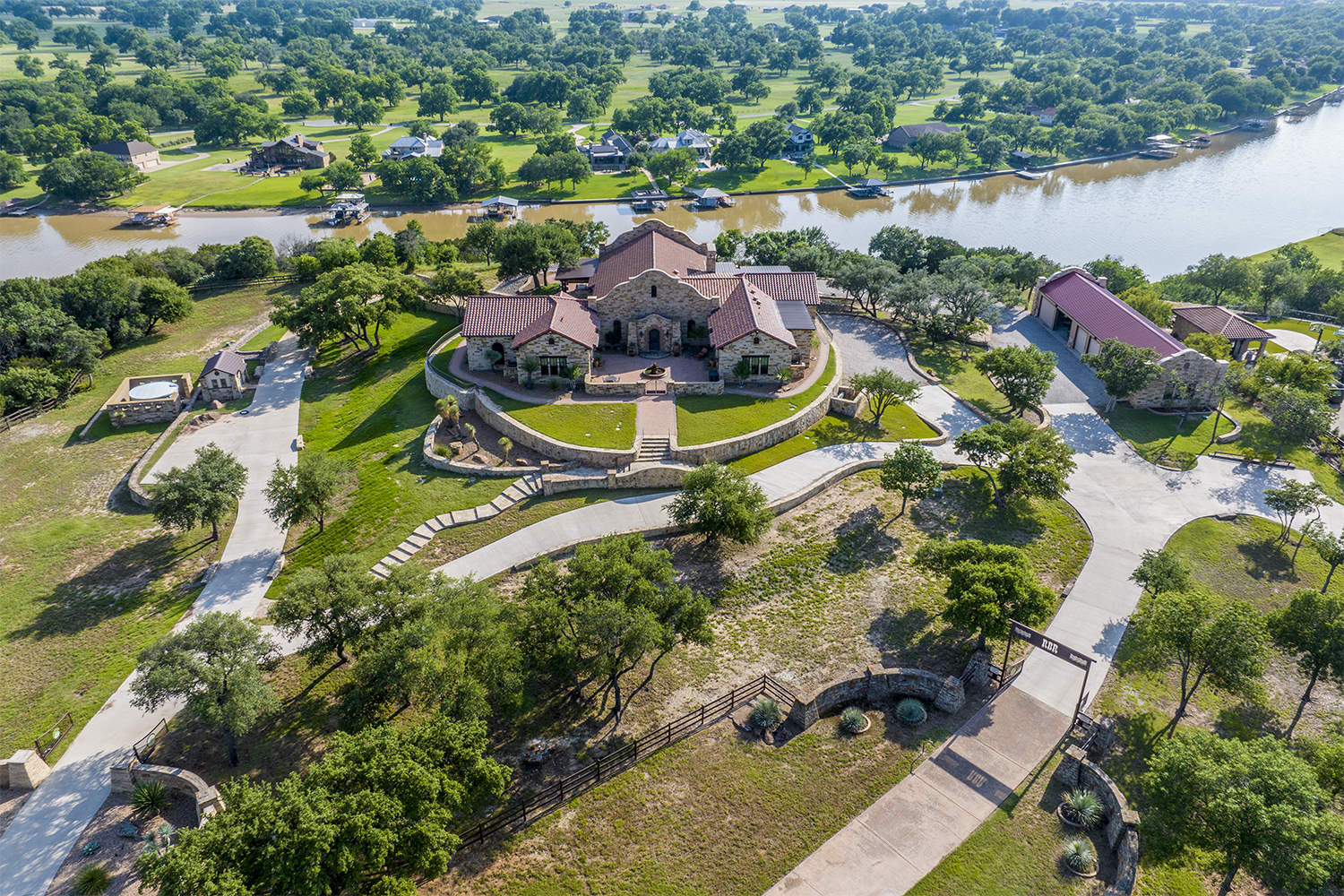
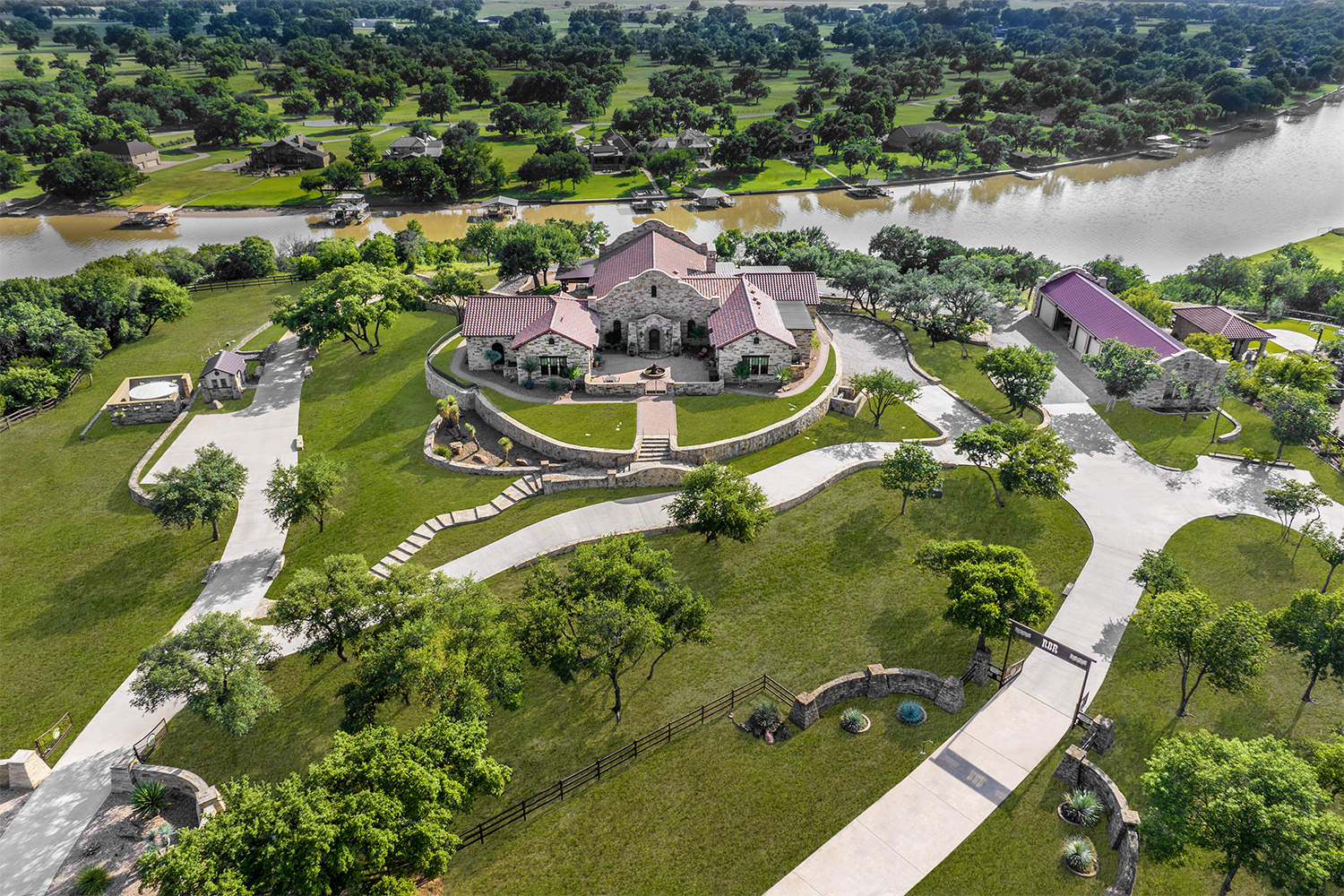
Exterior photographs can be affected by temporary or seasonal site conditions that distract from the architecture. Patchy grass, bare areas, inconsistent vegetation, and other landscape conditions can make a completed residential project look unfinished or less representative of the property as it was intended to be presented.
In this aerial photograph of a luxury residence, the original image shows missing and patchy grass that competes with the architecture and overall presentation of the property. The finished image develops the lawn into a consistent, healthy appearance while maintaining the existing landscape design and relationship between the home and its site. The goal is not to create a different property, but to remove a temporary visual condition that prevents the photograph from representing the project as intended.
Back to Top
Professional architectural photo editing is an important part of how I develop a finished image. The work can involve simple corrections or highly specific, time intensive adjustments depending on what the photograph requires. Reflections, lighting, color, shadows, power lines, surface conditions, landscape issues, construction debris, and other distractions each require a different solution.
This attention to detail is part of Image Development, not simply a final filter applied to every photograph. Each image is evaluated individually and refined according to the architecture, the conditions under which it was photographed, and the way the finished image needs to represent the project. The objective is a photograph that is accurate, polished, visually clear, and appropriate for portfolios, presentations, award submissions, marketing, and long term project use.
If you are an architect, interior designer, builder, developer, or design professional looking for architectural photography that includes careful image development and detailed post production, explore my architectural photography services or get in touch to discuss your next project.